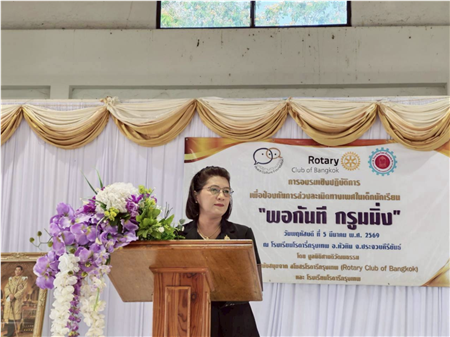
On 5 March 2026, the Rotary Club of Bangkok and the Peace Culture Foundation ran a grooming prevention workshop at Rotary Bangkok School. The students' knowledge scores went up by 31% on average. One area improved by 62%.
Grooming — the process by which predators build trust with children before sexually abusing them — is not a subject that typically makes it into a school day at a rural school in Prachuap Kiri Khan Province.
On 5 March 2026, the Rotary Club of Bangkok helped change that for 218 students at Rotary Bangkok School.
What Happened
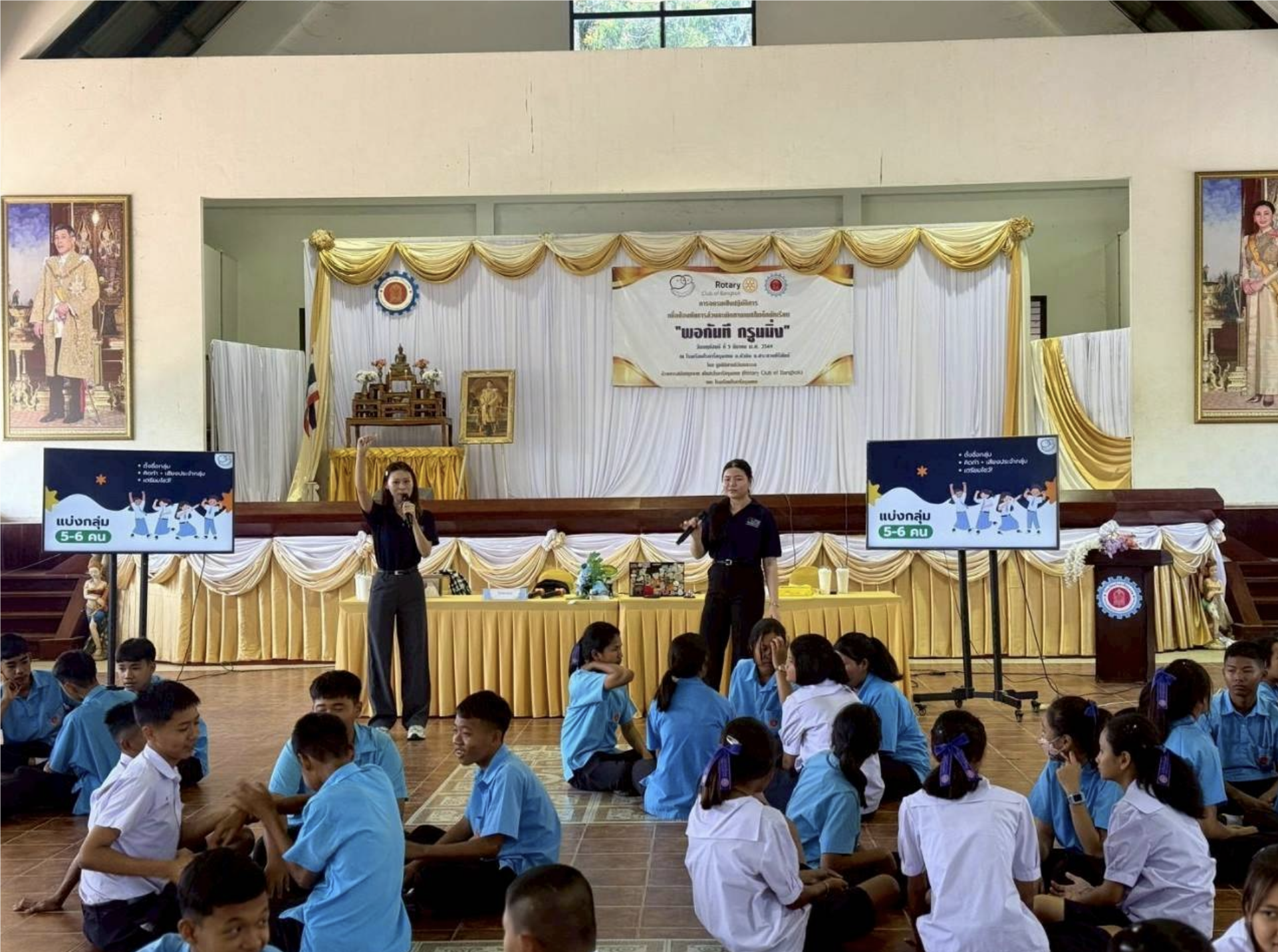
The Peace Culture Foundation, a Chiang Mai-based organisation that designs safeguarding education for children and adolescents, flew a team of four to Nong Plub for the day two clinical psychologists and two volunteers. They ran two back-to-back two-hour sessions: Grade 7 students (91 participants, 10am–12pm), then Grades 8 and 9 (127 participants, 1pm–3pm).
The curriculum covered what grooming is, how it works step by step, how to recognise when it's happening, and what to do both as a potential victim and as a bystander who sees it happening to someone else. The Peace Culture Foundation designed the programme specifically for this age group and updates it regularly based on field experience.
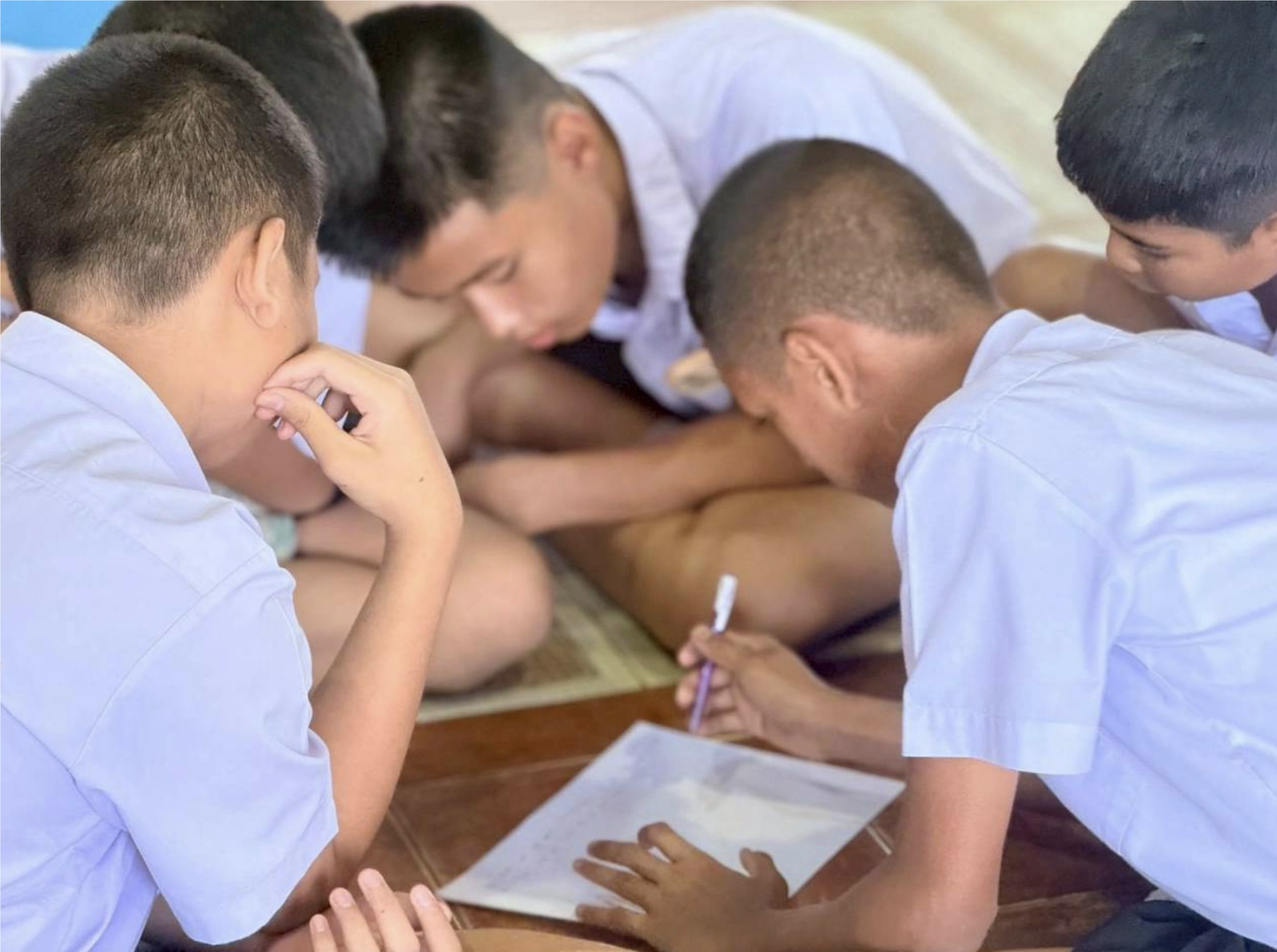
The sessions were not lectures. Students joined discussions, worked through real-life scenarios in groups, and responded to questions throughout. The facilitators Ms. Raviporn Khampeerapong, Ms. Kanlaya Siriboon, Ms. Thanika Lingkaew, and Ms. Panitpicha Kadsiri — reported strong participation from both groups.
What the Numbers Show
The Foundation collected assessment data before and after the training. The results are clear.
Overall average scores went from 3.41 to 4.47 out of 5 a 31.1% improvement across all ten areas assessed.
The biggest jump was in knowledge of the seven stages of the grooming process, which went from 2.86 to 4.62 an improvement of 61.8%. Before the workshop, most students had low baseline knowledge of this. By the end of the day, they could describe the stages.
General knowledge about grooming improved from 3.19 to 4.57 (+43.3%). Recognition that grooming is “a close-to-home issue” not something that only happens to other people went from 3.61 to 4.61 (+27.6%).
Two areas showed something beyond knowledge gains. Non-blaming attitudes toward victims improved from 3.44 to 4.38 (+27.1%). And students' motivation to share what they'd learned with others went from 3.42 to 4.31 (+26.1%). These students are more likely to tell a friend, a sibling, or a parent what they now know.
How the Students Rated It
The post-workshop satisfaction survey asked students to rate the day. The facilitators scored 4.79 out of 5. Learning activities and presentation slides scored 4.72. Content scored 4.71. Timing scored 4.61. All of these were rated at the "very good" level.
Why This Is Part of What We Do at Rotary Bangkok School
The Rotary Club of Bangkok has been involved with Rotary Bangkok School since 1966, when it donated the funds to build the school and the Princess Mother came to name it. Most of that involvement has been physical — buildings, renovations, supplies.
This workshop is a different kind of support. The school has nearly 800 students. A two-hour session that gives a fourteen-year-old a framework for recognising when something is wrong — and the confidence to do something about it — is as real and lasting as a new roof.
Photo Album: https://www.rotarybangkok.org/PhotoAlbums/stop-grooming-workshop-2026
The "Stop Grooming" workshop at Rotary Bangkok School was funded by the Rotary Club of Bangkok and delivered by the Peace Culture Foundation on 5 March 2026. For more information about the Foundation's work, contact the Club's Community Service Director.